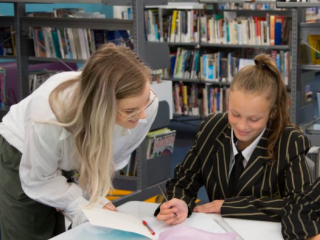
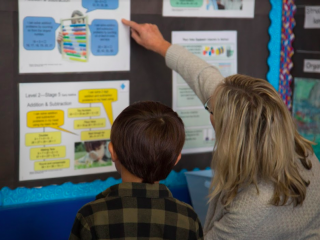
The success of teaching and learning is founded on the quality of the relationship built between the teacher and the student. The teacher manages the motivational climate of the classroom to foster learning-focused relationships with students, with shared ownership of and responsibility for learning. This provides students with the maximum opportunity to build their own motivation to learn.
At the heart of assessment for learning is the notion, supported by evidence, that students who truly understand and are involved in their learning have accelerated rates of achievement. In order for students to have this participation in their learning, a genuine learning-focused relationship must exist in the classroom.
A learning-focused relationship involves three key areas:
- sharing the development and maintenance of a learning environment in the classroom
- sharing the locus of control between teacher and students
- involving parents and whānau in student learning.
Learning environment
Teachers and students are active and committed participants in creating and maintaining a classroom environment that best promotes learning and meets the learning needs of students. Teachers and students regularly check the quality of this environment. The classroom is focused on learning and students can describe their contribution to the learning process.
Locus of control
There is greater ownership of the lesson by students as responsibility shifts from teacher to student for learning. Content, process, and choice of learning are experienced as co-constructed. The teacher empowers students to be independent learners who have a commitment to evaluating and adjusting their learning to meet their needs.
Involving parents and whānau in student learning
The teacher enables students to lead conversations about their learning with parents.
Links to The New Zealand Curriculum
Creating learning-focused relationships aligns with the intent of The New Zealand curriculum – to create competent, self-motivated and involved citizens. Through learning-focused relationships students can become independent and self-regulated learners in an environment based on co-construction and mutual respect.
>> Classroom resources